The moment the red guiding light touches the skin and the ultrasound image steadies, the procedure shifts from theory to action. Endovenous laser therapy closes a faulty vein from the inside, with heat you never actually see. If you have leg heaviness, bulging varicose veins, or swelling that gets worse by day’s end, this is one of the core treatments a modern vein clinic offers to restore healthy blood flow without surgical stripping.
What endovenous laser therapy is solving
Varicose veins and many cases of chronic venous insufficiency start with valve failure in the saphenous system, most often the great saphenous vein in the thigh or the small saphenous vein behind the calf. Valves that should allow one‑way flow back to the heart begin to leak. Gravity wins, pressure rises, and side branches balloon at the surface. That is why you see ropy veins, feel achy fatigue in your calves, and notice ankle swelling or itchy skin.
Endovenous laser therapy, often shortened to EVLT or EVLA, addresses the source. A thin fiber enters the incompetent vein through a needle stick, guided by ultrasound. Local anesthesia follows the course of the vein. When the laser is activated, heat injures the inner lining, the vein collapses on itself, and the body reroutes blood into healthy veins. Over months, the treated segment fibroses and becomes a thin cord that gradually resorbs.
A good clinic treats the trunk vein first when reflux is present, because closing surface branches without fixing the underlying flow problem leads to fast recurrence. This is the backbone of how vein clinics treat varicose veins effectively.
Who benefits and who does not
The strongest candidates share two features: symptoms that affect daily life and ultrasound‑proven reflux in a truncal vein. Symptoms can be as plain as tired, heavy legs by late afternoon, or as disruptive as restless legs that wake you at night. Calf cramps, ankle swelling, and skin changes along the inner ankle point toward chronic venous insufficiency. People with standing jobs, like teachers, retail staff, and hair stylists, often notice the pattern earlier. Runners and cyclists who feel disproportionate shin aching or slow recovery after long efforts sometimes improve after ablation relieves venous hypertension.
Cosmetic spider veins tell a different story. EVLT does not treat spider veins directly. If your only concern is fine red or blue lines at the skin, sclerotherapy at a vein clinic explained simply is the injection of a targeted solution into those tiny vessels. That is the right tool. When spider veins cluster over a larger area or sit above a refluxing feeder, we map and treat the feeder first, then return for cosmetic clean‑up.
Two groups need special judgment. First, patients who are pregnant should defer most vein procedures. Hormones and circulating blood volume drive vein changes that often improve several months after delivery. Second, if you have a history of deep vein thrombosis or a known clotting disorder, a vein clinic will screen carefully and may coordinate with a vascular surgeon or hematologist. EVLT can still be safe, yet it requires a tighter plan for blood thinners, compression, and follow‑up.
The consultation: how vein clinics diagnose vein disease
Expect your first visit to take 45 to 90 minutes, longer if this is a comprehensive assessment. It begins with a focused history: what your legs feel like, whether symptoms worsen with heat or standing, any prior clots or procedures, pregnancies, family history, and what over‑the‑counter steps you have tried. We ask about eczema near the ankles, slow‑healing ulcers, or skin darkening, which signal advanced venous disease.
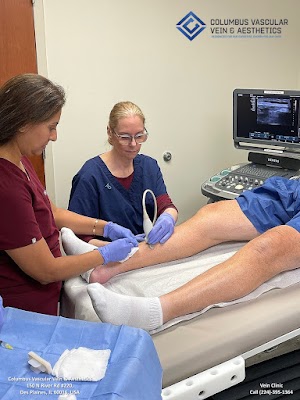
The exam is quick but informative. We look for visible varicosities, ankle swelling, areas of tenderness, and clusters of spider veins. Then comes the most important tool in a vein clinic: duplex ultrasound. With the room lights down and the bed tilted to bring blood into the legs, the technologist maps your saphenous trunk, tributaries, perforator veins, and deep veins. We test valve function by gentle compression at the calf and thigh. Reflux is measured in fractions of a second. More than about half a second in the great saphenous vein suggests clinically relevant leakage. This ultrasound diagnosis explained plainly lets us tie your symptoms to anatomy. We also screen for deep vein thrombosis, which would change the plan entirely.
The mapping generates a picture that drives your treatment plan. If reflux begins at the saphenofemoral junction and carries down the inner thigh, EVLT or radiofrequency ablation becomes the anchor procedure. Large bulging side branches may need microphlebectomy. Spider veins layer on cosmetic options like liquid or foam sclerotherapy.
What to expect on the day of EVLT
Clinics run endovenous laser therapy like a streamlined procedure visit, not an operating room day. You should be able to walk in and walk out under your own power. Here is the typical flow many clinics follow.
- Marking and ultrasound confirmation, with you standing so the varicose map matches how your veins fill in real life. Sterile prep, a small numbing injection at the entry site, and a needle puncture to place the sheath, usually near the knee for great saphenous treatments. Laser fiber positioning under ultrasound so the tip sits a short distance below the junction with a deep vein, measured and confirmed twice. Tumescent anesthesia, a dilute lidocaine solution infused along the vein to numb tissue, collapse the vein around the fiber, and protect skin and nerves from heat. Segmental laser pullback, often at 1470 nm using radial fibers, delivering energy as the fiber is withdrawn in a controlled fashion, followed by compression stocking placement and a 10 to 20 minute walk in the clinic hallway.
The procedure time ranges from 25 to 60 minutes for a single vein. If both legs or multiple segments are planned, we often stage them a week or two apart so recovery is smoother.
Pain, safety, and the real risk profile
Patients often ask whether vein clinic treatments are painful. The honest answer is nuanced. The numbing injections for tumescent anesthesia create momentary sting and pressure, yet the laser energy itself should feel like nothing more than distant warmth. People rate overall discomfort in the mild range. Over the next few days, a tugging or tightness along the treated course is common. It usually peaks around day 4 to 5 and fades over the next week.
How safe are vein clinic procedures like EVLT? Complications exist, but serious events are uncommon when the team follows protocol and uses ultrasound meticulously. Expected effects include bruising, transient lumps along treated branches, and mild inflammation. Paresthesia, which is a patch of numbness or tingling from irritation of a small sensory nerve, occurs in a minority of cases, more often with small saphenous treatments. In most, it improves over weeks to a few months.
Skin burns were a legitimate concern with earlier tech and aggressive energy settings. With modern radial fibers, diluted tumescent solution, and careful depth checks, skin injury is rare. Clot propagation into the deep system, called endothermal heat induced thrombosis, is also rare. Clinics grade it by how far the clot extends and manage it with observation or short course anticoagulation when needed. Symptomatic deep vein thrombosis after EVLT in experienced hands is unusual, estimated in the low single digits per thousand. We lower this risk with early walking, compression, hydration, and by pausing hormone therapy when appropriate.
Recovery timeline and aftercare, day by day
You leave in compression and you walk. That is the simple core of recovery. Most patients return to desk work within 24 to 48 hours. Those with active jobs, including nursing or warehouse work, often take two to three days before full shifts feel comfortable. Soreness tracks the course of the treated vein, with small knots that feel like firm strings under the skin. These represent sealed branches and inflammatory reaction that is part of normal healing. A nonsteroidal anti‑inflammatory like ibuprofen or naproxen, if approved by your primary doctor, helps. If you cannot take NSAIDs, acetaminophen and cool compresses are reasonable.
Compression stockings matter more than many expect. We prescribe https://www.google.com/maps/d/u/0/edit?mid=18pxbOtWfOJHpGY2AoYU7gUMwirTNFjY&ll=42.07093018063077%2C-87.8867709426201&z=12 20 to 30 mmHg thigh or knee high garments, usually worn continuously for 24 to 48 hours, then during waking hours for one to two weeks. They limit bruising and reduce that pulling sensation. Walking is encouraged, 10 to 20 minutes at a time, several times daily, beginning the same day. Avoid long, motionless stretches. For exercise, brisk walking is ideal in the first week. Light cycling is fine after a couple of days. Heavy leg workouts, sprints, and hot yoga can wait about 7 to 10 days. Swimming is allowed once the puncture site has sealed, typically after 48 hours.
Travel raises a frequent question. Short flights are fine after a few days if you wear compression, hydrate, and stand to walk the aisle periodically. Long flights over four hours are better delayed a week or two. Your clinic will tailor that advice based on clot risk factors and whether multiple segments were treated.
What to avoid after vein clinic treatment is mostly common sense. Skip soaking in hot tubs for a few days, hold off on direct sun over bruised skin until pigment changes settle, and do not schedule intense massage directly over the treated line during the first couple of weeks. If you notice sudden calf swelling, chest pain, or shortness of breath, call the clinic or seek urgent care. Those signals are rare, yet they matter.
Follow‑up typically includes a quick ultrasound a few days to a week after EVLT to confirm closure and to exclude heat‑related clot extension. Another visit around six to eight weeks lets us plan sclerotherapy for remaining spider veins or microphlebectomy for residual bulging branches if needed. This vein clinic maintenance and follow up keeps results crisp.
How long results last and why some veins seem to come back
Vein clinic before and after results depend on matching treatment to anatomy and on your biology. Truncal closure rates for EVLT are strong, commonly in the 93 to 98 percent range at one year in published series. Over time, new tributaries can dilate under hormonal shifts, weight gain, or occupational strain. Why varicose veins come back after treatment, when they do, has less to do with the laser failing and more to do with untreated branch veins or progression of disease in other segments. If your original plan never addressed a large calf tributary that empties into a perforator, that path can refill and create a new visible vein.
Lifestyle matters. Walking, maintaining a healthy weight, and using compression during high demand days reduce recurrence. For women, pregnancy often brings new clusters. We hold any cosmetic work until after nursing, then reevaluate reflux and treat what is new. Athletes typically maintain results well, since calf muscle pumping supports venous return. Still, heavy lifting with Valsalva can enlarge veins over years. Expect periodic touch‑ups with sclerotherapy for spider veins, especially if they are a cosmetic priority.
EVLT, radiofrequency, foam, and when to choose what
A common comparison is radiofrequency vs laser vein clinic treatments. Both are forms of endovenous thermal ablation. Radiofrequency uses resistive heating, while laser uses light energy to create heat. In daily practice, both close target veins reliably. Radiofrequency catheters require slightly larger access and have a set pullback cadence. Laser fibers are slimmer, with energy and pullback speed tailored by the operator. Pain scores, bruising, and recovery are comparable when modern equipment is used. Clinics often choose based on equipment ecosystem and physician preference rather than dramatic outcome differences.
Foam sclerotherapy is a different tool. We mix a sclerosant with gas to create foam that displaces blood and treats medium sized veins. Foam is helpful for tortuous segments that a straight catheter cannot navigate, for recurrent veins in scarred beds, and for residual branches after EVLT. It is quick, office‑based, and effective when directed appropriately, though it carries a small risk of visual aura in migraine‑prone patients and a higher recurrence rate than thermal ablation for large trunk veins.
Microphlebectomy is mechanical removal of bulging surface veins through 2 to 3 mm nicks. When varicosities are large and serpentine, it brings instant cosmetic and symptomatic relief. Many clinics combine EVLT with microphlebectomy in one session or stage them two weeks apart.
Newer adhesives that close veins without heat exist. They avoid tumescent anesthesia and can be useful for patients who cannot tolerate multiple numbing injections. They are not ideal for everyone, and insurance coverage can be variable.
Which vein clinic treatment is best is not a universal answer. For saphenous reflux, EVLT or radiofrequency remains first line. For surface spider veins, liquid sclerotherapy or microfoam works. For facial spider veins, we do not use saphenous ablation or strong sclerosing agents. Instead, we refer for dermatologic laser with different wavelengths and cooling protocols. Hand veins and prominent dorsal veins are a niche area, approached with caution because these veins are often functional. Some patients benefit from subtle sclerotherapy, others from doing nothing after a frank talk about trade‑offs.
Are vein clinics worth it and how effective are they
If your goals include less leg pain and swelling, improved stamina for standing jobs, and better skin appearance, vein clinics deliver measurable gains. Quality of life scores jump after ablation for chronic venous insufficiency. Night cramps and restless legs symptoms related to venous congestion often lessen. Cosmetic confidence improves after targeted spider vein work, though it can take multiple sessions for dense networks.
Effectiveness hinges on accurate ultrasound, a staged plan that treats the root problem first, and thoughtful aftercare. Clinics that push only cosmetic quick fixes without duplex mapping create short‑lived results. Balanced programs that blend medical and cosmetic vein clinic treatments give the best long term outcomes.
Insurance, costs, and the medical vs cosmetic line
Does insurance cover vein clinic treatments? It can, when the condition is medical. Most insurers require documentation of symptoms that affect daily function, reflux on ultrasound that meets criteria, and a trial of compression stockings, often for 6 to 12 weeks. They may use the CEAP classification to grade severity. EVLT for a refluxing great saphenous vein with aching, edema, and failed conservative therapy is commonly approved. Sclerotherapy for spider veins is usually cosmetic and not covered.
Deductibles and co‑insurance apply, so ask for a clear estimate. Self‑pay packages for cosmetic sclerotherapy vary by region and the number of syringes used. Multiple sessions are normal for best cosmetic results. A transparent clinic will show you the medical notes sent to insurers and explain the rationale. That helps you decide whether to proceed now or to stage care over a few months.
Vein clinic vs vascular surgeon differences
A focused vein clinic often runs high volumes of minimally invasive vein procedures. The physicians may come from backgrounds in interventional radiology, vascular surgery, or phlebology, and all should be skilled in ultrasound guided techniques. A vascular surgeon brings additional training for open surgery and complex arterial disease. If you have large nonhealing ulcers, suspected iliac vein compression, prior bypasses, or mixed arterial and venous problems, a vascular surgeon’s broader scope may be important.
For isolated saphenous reflux, a dedicated vein clinic is appropriate. The key is not the sign on the door but the rigor of the consultation, the quality of the ultrasound lab, and the willingness to refer when your anatomy falls outside the routine.
Preparing for your visit and the day of treatment
How to prepare for a vein clinic visit is straightforward. Bring a list of symptoms, duration, and what makes them better or worse. Note any family history of varicose veins, clotting problems, or leg ulcers. Wear or bring shorts to make the exam easier. If you already own compression stockings, bring them. Drink water so veins are less prone to spasm.
On procedure day, eat a light meal, avoid heavy lotions on the leg, and skip aspirin unless your prescribing doctor says you must continue. Some clinics ask you to hold certain supplements that increase bleeding or bruising, like high dose fish oil or ginkgo, for several days. Arrange a ride if you plan on taking a mild sedative, though most people do not need one. Afterward, build in time for a short walk before driving home.
Red flags and how to choose the right clinic
The best treatments offered at a vein clinic start with the right diagnosis. Be cautious of offices that recommend sclerotherapy to fix large bulging veins without scanning for reflux. Be just as wary of anyone who promises to remove every spider vein in a single session. Realistic care is staged, because the microcirculation remodels over weeks, not hours.
" width="560" height="315" style="border: none;" allowfullscreen="" >
Here are smart questions to ask your vein clinic before you decide.
- Who performs my ultrasound and will they be present during the procedure for real‑time guidance? Do you routinely treat the saphenous trunk first when reflux is present, then address tributaries and spider veins? What is your protocol for DVT screening and how do you manage heat induced clot if it occurs? How often do you use radiofrequency vs laser, and why for my anatomy? What is the expected recovery timeline for my job and sport, and how do you handle recurrences?
Listen for clear, specific answers. A clinic that measures outcomes and explains trade‑offs has done this many times.
Myths, facts, and edge cases that shape decisions
A few myths linger. Compression stockings alone do not fix established saphenous valve failure. They relieve symptoms, and many clinics ask you to try them for a period for insurance reasons, yet they cannot seal a leaking valve. Home remedies, from apple cider vinegar to leg elevation alone, may soothe, but they do not reverse reflux. That is why vein clinic vs home remedies for veins is not a close contest once disease is advanced. Also, spider veins on the face are not treated the same way as leg spiders. Facial skin and arteries sit much closer to the surface, so specialized lasers and careful settings are safer.
Edge cases deserve mention. Tortuous saphenous segments make catheter passage hard. In those, we might switch to foam sclerotherapy for the winding portion and use EVLT above and below. Perforator vein incompetence can drive small ulcers near the ankle. Targeted treatment of the perforator, often after the main trunk is sealed, improves healing. Pelvic vein issues, especially in women with pelvic congestion symptoms and vulvar varices, need cross sectional imaging and sometimes stenting of compressed iliac veins. A standard leg vein clinic may coordinate that care with an interventional radiology team.
For patients with recurring varicose veins years after older surgical stripping, anatomy can be unusual. Neovascular channels form and can mimic trunks. Foam sclerotherapy guided by ultrasound is often the safest way to manage these. If you had a prior DVT, ultrasound helps confirm whether the deep system is patent and whether collateral pathways demand a different tactic.
What results feel like and why early treatment helps
Weeks after EVLT, patients describe lighter legs around late afternoon when heaviness used to hit. That is not a small gain. Sleep improves when itch and cramps ease. Skin near the inner ankle stops burning. People with standing jobs find they can finish a shift without constant calf stretching. For athletes, delayed onset muscle soreness drops a notch and long runs no longer leave ankles puffy. Vein clinic treatment for athletes is less about aesthetics and more about giving the venous system a mechanical advantage so the calf pump works as designed.
Early signs you need a vein clinic include ankle swelling that leaves sock marks, veins that bulge after hot showers, and a tired ache that seems out of proportion to your day. Early treatment helps because skin damage from chronic venous hypertension, once it sets in, heals slowly. Hyperpigmentation fades over months, not weeks. Ulcers near the ankle can take months of compression and wound care to close, and they recur if reflux persists. Getting ahead of that process is kinder to your legs and your schedule.
The role of lifestyle and follow through
Lifestyle changes recommended by vein clinics are pragmatic, not magical. Walk daily. If you sit long hours, set reminders to stand every hour and move. If you stand long hours, elevate your legs for a few minutes during breaks. Keep weight in a range that feels sustainable. Diet tips from vein specialists are simple: focus on fiber to curb constipation, which spikes venous pressure, and adequate hydration to keep blood less viscous. Does walking help after vein clinic treatment? Absolutely. It is the single most reliable habit that speeds recovery and preserves results.
Follow through matters. A short ultrasound after EVLT confirms the plan worked. If we promised a second stage for residual branches or cosmetic sclerotherapy for spider veins, keeping that appointment ties off loose ends. Patients who think they are done after closing the trunk sometimes judge clinics as less effective because the surface has not yet been refined. The two step model - fix the plumbing, then clean up the surface - is how vein clinics improve blood flow and appearance predictably.
Final judgment from the clinic floor
After thousands of legs and many years seeing patterns repeat, EVLT earns its place. It is one of the core minimally invasive vein clinic treatments that can prevent surgery, shorten recovery, and change daily comfort. The technology is only half the story. The quieter half is the clinic’s discipline with ultrasound, the care plan that respects both medical and cosmetic goals, and the honesty to say no when a request is unsafe. When those parts line up, results last, and the before and after look as good in your calendar as they do in the mirror.