Night cramps and leg restlessness don’t feel like small problems when they wake you at 2 a.m. The pain comes as a hard knot in the calf or foot, the toes claw, and the muscle locks. Restlessness brings a different misery: an urge to move, a buzzing discomfort that won’t let you settle. Many people chase magnesium or new mattresses and get only partial relief. In clinic, I see a pattern that often gets missed for months or years. When blood has trouble moving back up the legs, the muscles and nerves protest. That’s when a vein problem clinic, staffed by a vein specialist who evaluates venous function, can make the difference between nightly disruption and genuine sleep.
A vein doctor doesn’t treat cramps by default. We start by asking why they happen, then test venous flow with ultrasound. If the valves in the leg veins leak, blood columns slide backward with gravity, pooling in the calves and ankles. That pressure sets off a cascade: swelling in the tissues, low-grade inflammation, irritability of the calf muscles, and cramp-prone nights. Treating the valve failure reduces the pressure. When the pressure drops, the cramps often fade.
Why veins drive nighttime symptoms more than people realize
For most of the day, your calf muscles do the heavy lifting of pumping blood up the legs. At night, your muscles rest. If your superficial veins have faulty valves, lying flat does not fully fix the backward flow. The calf stays congested. Strangely enough, many patients notice that cramps strike after they first fall asleep or during the second half of the night. Two reasons stand out. First, fluid shifts from the lower legs back into the circulation once you lie down, which briefly changes electrolyte balance and muscle excitability. Second, circadian rhythms and reduced movement let small venous pressure differences become more noticeable.
I once treated a machinist who had chalked up his cramps to dehydration. He drank more water, twice daily electrolyte drinks, and still woke clenching his calf. His exam showed clusters of spider veins around the ankle and a subtle brownish skin change near the inside of the shin. Duplex ultrasound confirmed reflux in his great saphenous vein and perforator veins. After outpatient endovenous ablation, he reported something we hear often: “I had one small cramp the first week, then nothing since.”
That isn’t magic. It’s physiology. Relieving reflux lowers venous pressure, which eases edema and reduces muscle irritability. Nerves that were annoyed by swollen tissues also calm down. Not every cramp is venous, but when swelling, achiness, heaviness, or visible varicose veins accompany the cramps, a venous evaluation belongs on the short list.
Distinguishing cramps from restless legs and other mimics
Restless legs syndrome feels different from a cramp. People describe it as crawling, fizzing, or an itch in the bones. Moving the legs brings temporary relief. It often runs in families and responds to iron repletion when ferritin is low. Yet venous insufficiency can mimic or aggravate restless legs. The shared thread is discomfort at rest that pushes you to move. In a venous clinic, I ask patients to pin down the start of the sensation, whether stretching stops it, and whether massage or walking eases it. I also check for swelling that worsens across the day, skin discoloration around the ankles, and clusters of threadlike veins.
Other culprits sneak in. Nerve compression from the lower back can cause nighttime leg pain, often with numbness or shooting sensations. Electrolyte disturbances play a role, but less commonly than advertised. Medications like diuretics or statins can trigger spasms. Arterial disease is rarely the cause of nocturnal cramps, although severe limb ischemia can cause pain that interrupts sleep and improves when the legs hang down. These clues guide whether someone should see a vein doctor, a neurologist, or a vascular surgeon focused on arteries. A comprehensive vein care center often coordinates closely with these colleagues to sort things out.
What a good vein consultation covers
A thorough visit at a vein treatment center starts in the chair, not the procedure room. Expect questions about timing, triggers, and relief strategies you already use. Bring photos of swelling at the end of the day if mornings look normal. A vein physician will examine the legs with you standing to look for bulging varicose veins, enlarged feeder veins, skin texture changes, or tender cords suggesting a superficial clot.
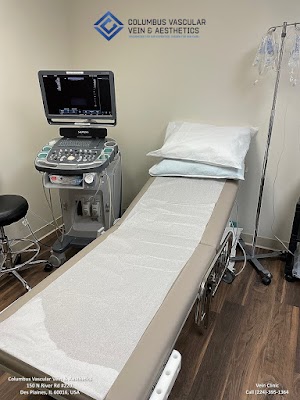
The cornerstone is a duplex ultrasound performed with you lying down and then standing. In a strong vein ultrasound clinic, the technologist maps reflux in each segment, times backward flow, and checks the deep venous system for prior clots. We measure vein diameters, identify perforators that connect deep and superficial systems, and mark the course of problematic veins directly on the skin when planning procedures. The test is painless and usually takes 30 to 60 minutes.
If reflux is present and your symptoms fit, the conversation turns to options. Most patients begin with conservative therapy. Compression stockings, calf raises, and elevation can make a real dent in pressure. When those measures help but not enough, minimally invasive procedures move to the front.
Conservative steps that still matter
Stockings are not a cure, but they are a practical tool. Aim for mild to moderate compression, typically 15 to 20 or 20 to 30 mmHg. Put them on in the morning before getting out of bed, then wear them during long periods of sitting or standing. If you hate knee‑highs, thigh‑high or pantyhose styles exist, and some brands make breathable, more stylish versions that patients tolerate better. A vein wellness center can size you correctly and show you starter tricks like using rubber gloves to grip the fabric.
Movement patterns matter as much as gym workouts. If you stand in one spot at work, set a repeating reminder to rise on your toes ten times every hour. If you sit, flex and extend the ankles. Elevate your legs for 20 minutes after work with pillows so the ankles ride above the heart. Hydration helps, but it is not a silver bullet. Salt intake influences swelling, so aim for balanced meals rather than heavy restaurant or processed foods late in the day.
Magnesium can reduce cramp frequency in some people, as can a gentle calf stretch routine before bed. I favor simple, sustainable rituals: a warm shower to loosen tight muscles, two minutes of wall calf stretches, then stockings laid out for morning use. If ferritin is low, treating iron deficiency may also soothe restless sensations later at night.
When and why procedures help
If you have documented venous reflux and persistent night symptoms, minimally invasive therapy can address the root valve problem. Procedures done in an outpatient vein clinic take about 30 to 60 minutes, require only local anesthetic, and allow you to walk out afterward. The choice depends on which veins leak, how large they are, and your skin and symptom profile.
Radiofrequency ablation and endovenous laser treatment are cousins. A thin catheter passes into the faulty vein under ultrasound guidance. After tumescent anesthesia is placed around the vein to protect surrounding tissue and numb the area, the catheter heats the vein segment, which seals and closes it. Blood reroutes to healthier veins immediately. Patients often describe a short period of tightness in the thigh or calf that resolves in a few days. I advise walking the same day and wearing compression for a week.
For veins that are too twisty for a straight catheter or for tributaries that branch off, we use ultrasound‑guided foam sclerotherapy. A small needle introduces a medication that irritates the vein lining so the vessel collapses. It’s efficient for clusters of varicosities and for persistent small veins near the ankles, where reflux can sustain cramps and itch. Larger varicose channels sometimes respond best to microphlebectomy, which removes segments through tiny punctures. This is not the old vein stripping done in hospital operating rooms. Modern microphlebectomy uses local anesthesia in a dedicated vein surgery clinic, with minimal downtime and small adhesive bandages.
The success rates for symptom relief are strong. In practice, many patients notice lighter legs within days, and improvements in cramps over one to four weeks as the tissue pressure normalizes. If nighttime restlessness was largely venous, the urge to move often fades along the same timeline.
Safety, recovery, and trade‑offs
Most people return to normal activity within 24 hours. Walking is encouraged because it promotes calf pump function and reduces the rare risk of clot formation. Bruising and tightness are the most common temporary side effects. Nerve irritation near the ankle can occur in a small percentage, particularly with procedures near the lower calf. An experienced vein expert plans the approach to minimize that risk. Deep vein thrombosis is uncommon, generally well under 1 percent in screened, ambulatory patients treated in a professional vein treatment facility.
Insurance coverage depends on symptom severity, documentation of reflux, and prior compression use. Varicose vein therapy that targets medical problems, such as swelling, pain, skin changes, or ulcers, is often covered. Purely cosmetic spider vein therapy is usually out of pocket, though a spider vein clinic can still play a role by mapping and treating feeder veins that contribute to symptoms.
The main trade‑off is procedural specificity. Treating a single reflux pathway will not fix every leg complaint if other contributors remain, like lumbar nerve issues or severe foot mechanics. In complex cases, a comprehensive vein care team coordinates with podiatry or physical therapy. Expect honest discussion about what the procedure can and cannot do.
Why leg cramps and ulcers live on the same spectrum
Cramps feel far removed from leg ulcers, yet they both sit along a continuum of venous disease. Early on, symptoms are subtle: heaviness, ankle swelling after a long day, cramps after bedtime. As the years pass, inflammation near the ankle can cause brown pigment changes, lipodermatosclerosis that makes the skin feel woody, and eventually open sores on the gaiter area. A leg ulcer clinic focuses on those advanced cases, but most ulcers began as untreated venous insufficiency. Getting evaluated when the body whispers, not shouts, often prevents the later, harder chapter.
Patients sometimes worry that they need “vein stripping,” a phrase that conjures hospital stays and long recoveries. Modern phlebology clinic practice rarely uses that operation. Instead, interventional vein clinics rely on needle‑based techniques that let you work the next day. We also avoid unnecessary treatment by using ultrasound to confirm the true culprit vein. Closing a big, quiet vein while missing a small, mischievous perforator near the ankle will not help your nights. Precision matters.
What to expect over the first month after treatment
The first night after ablation or sclerotherapy, many patients sleep more soundly simply because the legs feel lighter. Over the next week, there can be a rope‑like sensation along the treated path, especially with laser vein treatment. Warm compresses and anti‑inflammatories take the edge off. Walking several short sessions daily keeps the calf pump active.
By week two to three, swelling trends down and the calf muscle becomes less irritable. Cramps usually reduce in frequency and intensity. Some people report they still wake once a week, rather than every night. If both legs were treated, the improvement may be asymmetric for a stretch. That is normal. Ultrasound follow‑up at the vein evaluation clinic confirms closure and checks for any extension into the deep system. If tributaries still feed congestion, spot sclerotherapy addresses them in quick sessions.
Give the plan a full month before judging the outcome. If cramps persist completely unchanged, your vein physician will revisit the differential diagnosis. Iron studies, medication review, and possibly a sleep medicine referral may be appropriate. The key here is not to assume all cramps are vascular, but not to ignore the many that are.
A practical evening routine that complements vein care
If you have a treatment plan, small evening habits can stack the odds in your favor without turning bedtime into a project. After dinner, walk for ten to fifteen minutes to activate the calf pump. Avoid long stretches of couch time without ankle movement; a simple habit is to circle each ankle thirty times while reading or watching a show. Take a warm shower, then perform a gentle standing calf stretch for thirty seconds on each side, repeat twice. Elevate the legs on two pillows for fifteen to twenty minutes while reading. If stockings are part of your day plan, lay them out by the bed for easy morning access. Keep water at the bedside, but don’t overcompensate by chugging late, which only adds sleep interruptions.
When to seek a vein screening clinic
A quick rule of thumb helps decide when to book a vein consultation. If you have night cramps at least twice a week for a month, plus one of the following, see a vein health specialist: visible varicose veins, ankle swelling by evening, skin discoloration near the inside ankle, or a family history of venous disease. Add urgent evaluation if there is sudden unilateral swelling, tenderness along a vein, or redness and warmth that could indicate superficial thrombophlebitis. Many vein screening clinics offer same‑week ultrasound and same‑day counseling about next steps.
What distinguishes a strong vein and vascular clinic
Not all facilities operate the same way. The best outcomes I’ve seen come from a team that treats ultrasound as the foundational tool, not an afterthought. A good venous disease center pairs experienced sonographers with vein physicians who plan individualized care instead of one‑size‑fits‑all sequences. They are comfortable with multiple modalities: radiofrequency, endovenous laser, foam sclerotherapy, and microphlebectomy. They track outcomes, show before‑and‑after ultrasound images, and welcome questions. If you feel rushed toward a procedure without a clear link to your symptoms, ask for clarification or a second opinion at another vein institute.
Cosmetic vein clinics do elegant work on spider veins, which can lift confidence and comfort. For night cramps and restlessness, though, insist that someone rule out reflux higher up the chain. Treating surface webs without addressing underlying feeder veins is like painting over a leak.
Case notes from practice
A 54‑year‑old nurse came in for nightly cramps and an irresistible need to move her legs after long shifts. She had mild ankle swelling by 8 p.m., no back pain, and normal ferritin. Ultrasound showed reflux in the small saphenous vein on the left and in the great saphenous vein on the right. We performed radiofrequency ablation on both sides two weeks apart, followed by small‑volume foam for tributaries. At her one‑month visit, she reported sleeping through most nights, with one mild cramp after a 12‑hour shift that resolved with stretching.
A 68‑year‑old with diabetes and a history of back surgery presented with calf cramps and tingling feet. Duplex scanning showed only minimal venous reflux. Nerve conduction studies suggested peripheral neuropathy. We still used compression for swelling, but his cramps improved only after medication adjustments from neurology and better glucose control. The take‑home: a vein disorder clinic is as valuable for ruling out venous causes as for treating them.
A 39‑year‑old runner with spider veins near the ankles had cramping after intervals. Ultrasound documented reflux in a perforator near the medial ankle. Targeted ultrasound‑guided foam to that perforator, plus a short course of stockings for workouts, cut her cramps by 80 percent. Cosmetic spider vein removal came later, but the key was treating the small gateway vein feeding the problem.
The broader health impact
Fixing night cramps and restlessness isn’t just about comfort. Sleep quality affects blood pressure, weight, glucose regulation, and mood. Patients who stop dreading bedtime become more consistent with exercise, which in turn improves calf muscle pump strength and venous return. That positive loop matters. We also see fewer episodes of superficial clot and less skin irritation in patients whose reflux is treated, which reduces the long‑term risk of ulcers.
For employers and families, a parent who sleeps through the night has more patience in the morning and fewer missed hours due to medical appointments. Outpatient vein clinic care is designed with that reality in mind. Most Visit the website visits take under two hours, procedures fit into a lunch break or afternoon slot, and follow‑ups are quick.
Getting started: a simple, confident plan
If nightly cramps and restlessness are wearing you down, start with two steps you can do this week. Keep a brief symptom log for seven days, noting time of cramps, severity, and any swelling. Then book a vein clinic consultation at a reputable vein health center or venous treatment center that offers on‑site duplex ultrasound. Bring your log. Be clear about your goals: fewer nighttime wake‑ups, easier mornings, and the ability to go to bed without anxiety.
From there, build an evidence‑based path. Use compression and calf routines consistently for a few weeks. If you improve, great. If not, discuss targeted interventions such as radiofrequency ablation, endovenous laser therapy, or sclerotherapy at a minimally invasive vein clinic. Expect transparency about benefits, recovery, and costs. Ask how your clinic measures outcomes and how they decide when enough treatment is enough.
The body often gives us small warning lights before the dashboard goes dark. Night cramps and leg restlessness are two of those lights for venous disease. With the right evaluation and, when needed, modern outpatient vein treatment options, they can become rare visitors instead of nightly landlords. A skilled vein treatment specialist works to make your legs quieter, your sleep deeper, and your days better.