If varicose or spider veins are slowing you down, you are not alone in the Northwest suburbs. In Des Plaines, vein clinics shoulder a steady flow of patients who are juggling work, long commutes, and family schedules while trying to get relief from aching legs, swelling around the ankles, or clusters of purple and blue veins that make shorts feel off-limits. The good news is that modern vein treatment in Des Plaines has shifted firmly toward minimally invasive options that take under an hour and usually do not require taking time off beyond the day of the procedure. Most patients walk in and walk out, then return to normal routine the next day. The trick is knowing which clinic is set up to deliver that experience consistently and safely.
This guide captures what I have seen across well-run Des Plaines vein clinics, what matters during your first visit, the procedures that actually move the needle, and how to navigate insurance and downtime without surprises. Whether you search for a vein clinic near me in Des Plaines or you are driving in from Park Ridge, Mount Prospect, or Rosemont, the process is similar, but the results vary based on training, technology, and how the team coordinates your care.
Why people in Des Plaines seek treatment sooner now
A decade ago, many people delayed care because they assumed vein removal meant surgery and scars. Today, most varicose vein treatment in Des Plaines uses needle-sized catheters and ultrasound guidance. Patients leave with small adhesive bandages, not sutures. Swelling, heaviness, and nighttime cramps often improve within days. Spider vein treatment in Des Plaines is equally efficient, with sclerotherapy sessions that wrap up over a lunch break.
A few local patterns stand out. Nurses tell me spring and early summer bring a wave of patients who want legs ready for lighter clothing. Another spike follows the first cold snap when symptoms worsen after long hours of standing in closed footwear. Teachers, cooks, retail workers, and flight attendants are frequent visitors. Genetics, pregnancies, prior leg injuries, and the daily rhythm of standing or sitting for long periods all stack the deck. If you feel better after elevating your legs or putting on compression socks, that is a strong hint that venous circulation is part of the problem.
What to expect at a Des Plaines vein evaluation
A well-organized Des Plaines vein treatment center follows a predictable flow. The first appointment typically lasts 45 to 60 minutes, longer if you need a same day ultrasound. Do not be surprised if your vein doctor in Des Plaines asks about restless legs at night, skin itching near the ankles, or a family history of leg ulcers. Those details help identify early chronic venous insufficiency, even if the visible veins look mild.
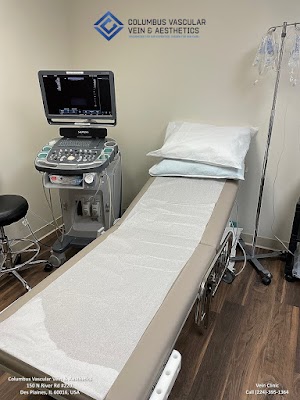
The ultrasound is the heart of the visit. A registered vascular technologist maps the superficial venous system, looking for reflux, which is backward blood flow from faulty valves. They measure vein diameter, reflux time, and branch patterns that might change the treatment plan. If you are considering laser vein treatment in Des Plaines or radiofrequency ablation, the map ensures the physician treats the problem vein rather than the symptom vein. That distinction separates a quick fix from a durable result.
Unlike diagnostic scans ordered by a primary care office, a vein ultrasound in a focused Des Plaines vascular clinic is targeted to treatment planning. The exam is performed with you standing or with your legs dependent, which makes reflux easier to detect. Bring shorts or wear easy to roll clothing. Hydration helps, and most clinics keep the room warm so veins distend naturally.
When symptoms signal venous disease, not just cosmetics
Spider veins can be purely cosmetic, but when they travel with ankle swelling after long days, leg fatigue, throbbing over varicose clusters, night cramps, or skin discoloration near the shins, they are often downstream of venous insufficiency. In Des Plaines, I see many patients who first ask for spider vein removal but actually need the underlying reflux treated first. If you skip that step, removed spider veins tend to reappear around the same territory.
Common patterns in Des Plaines varicose vein treatment include the great saphenous vein failing along the inner thigh and calf, or the small saphenous vein along the back of the leg. Each has tributaries that generate twisty surface veins. A board certified vein doctor in Des Plaines will explain which mainline veins are dysfunctional and how the plan addresses both trunk and branches. That conversation should include options and trade-offs, not a one size approach.
The core treatment options, in plain language
Several procedures anchor modern vein care in Illinois. Not every clinic offers all of them. Experienced teams select a combination to match anatomy, symptoms, and insurance rules.
Endovenous thermal ablation in Des Plaines includes radiofrequency ablation and endovenous laser ablation. Both use heat through a thin catheter to seal the faulty vein from the inside. Local anesthesia numbs a water cushion around the vein and protects nearby tissues. The vein collapses and the body reroutes blood into healthier veins. In practice, radiofrequency feels gentler for many patients, while laser may be preferred for larger diameters. Either way, walking right after the procedure is standard, and compression stockings are worn for a short period after.
Non thermal, non tumescent options use medical adhesives or special mechanochemical catheters to close the vein without heat or large volumes of numbing fluid. These can shorten procedure time, and some patients appreciate avoiding tumescent anesthesia. Coverage depends on your plan. Clinics in Des Plaines that carry these systems are often happy to discuss whether they fit your case or budget.
Ultrasound guided foam sclerotherapy targets branches and residual varicosities with a foamed sclerosant that irritates the lining and collapses the vein. It is a precise method for tributaries that remain after ablation of the main trunk, or for patients who are not candidates for thermal methods. Expect a series of brief sessions for best results.
Ambulatory phlebectomy removes surface varicose clusters through tiny nicks in the skin, usually a few millimeters. No stitches. This is immediate removal, which patients like because the bulge is gone the same day. It pairs well with ablation of the source vein.
Spider vein treatment in Des Plaines is largely sclerotherapy. A dilute formulation is injected directly into the spider web. Sessions take 20 to 30 minutes, and several rounds spaced a few weeks apart are normal. Surface laser may be used for very fine matting or facial veins, though legs respond best to injections. A realistic plan addresses both aesthetics and function, especially when spider veins sit on top of refluxing feeders.
Vein stripping still appears on the internet, but it is rarely used in modern outpatient vein centers in Des Plaines. Minimally invasive vein treatment has eclipsed it for most indications, thanks to better recovery and fewer complications.
How fast relief really happens
The phrase quick vein treatment in Des Plaines is not marketing fluff. Most patients feel lighter legs within a week after ablation, and swelling often recedes within two to three weeks as fluid balance normalizes. Bulging veins treated with phlebectomy look better immediately, with bruising fading over 10 to 14 days. Spider veins clear in stages. Expect 50 to 70 percent improvement after a first sclerotherapy session and cumulative gains with each visit.
If you have a physically demanding job, many return within two to three days after thermal ablation, and sooner for office roles. Walking is encouraged the same day. Clinics commonly advise avoiding heavy lifting and high intensity lower body workouts for about a week. Long flights are often delayed for one to two weeks, though walking the aisle and wearing compression can mitigate risk if travel is unavoidable.
Choosing the right Des Plaines vein clinic
You will find several candidates when you search vein clinic near me or Illinois vein clinic. What separates a top vein clinic in Des Plaines is not just a shiny laser. It is the combination of board certified training, on site diagnostic ultrasound, a broad procedural toolbox, and a team that actually returns calls and navigates insurance.
Ask who performs the ultrasound and who interprets it. A dedicated vascular technologist and a phlebologist in Des Plaines reviewing your study together adds quality. Confirm that the physician is experienced with both radiofrequency and laser, and whether they also offer ultrasound guided foam and ambulatory phlebectomy. If a clinic only offers one technique for every problem, you may end up with a partial solution.
Insurance accepted vein clinics in Des Plaines should have staff who explain documentation requirements. Many plans approve venous insufficiency treatment when conservative measures have been tried. That might include a 6 to 12 week course of compression therapy, leg elevation, over the counter pain relief, and activity changes. Good clinics provide written guidance so your trial period counts toward approval rather than delaying it.
What a first week of care looks like
Once you schedule, the timeline is straightforward. Day one is your vein consultation in Des Plaines, with exam and ultrasound. If reflux is significant and symptoms affect daily life, the clinic obtains authorization, which can take a few days to a couple of weeks depending on your insurer. During that window, many patients start compression stockings and walking routines.
Procedure day lasts 30 to 60 minutes per leg for thermal ablation. You wear stockings afterward and walk right away. Foam sclerotherapy sessions are even shorter. Follow up typically falls at one week or two weeks with a quick ultrasound to confirm the treated vein is sealed and to check for rare complications like superficial inflammation. If spider veins are part of the plan, those sessions often begin after the underlying reflux is handled, though some clinics treat select spiders earlier for morale.

Managing expectations, costs, and coverage
Costs vary by plan and by the number of veins treated. In Des Plaines and broader Cook County, medically necessary venous insufficiency treatment is often covered after documentation of symptoms and reflux on ultrasound. Copays and deductibles still apply. Cosmetic spider vein sessions are usually out of pocket. Clinics may offer vein treatment financing to spread payments, and some run seasonal promotions for cosmetic sclerotherapy.
A realistic budget example for spider vein removal in Des Plaines would be two to four sessions, spaced three to six weeks apart. Each session targets a set of areas to avoid overtreatment and to track your response. For medically indicated ablation, the out of pocket cost can range widely based on deductible status. Ask the clinic for a pre authorization estimate with CPT codes. Precise codes for radiofrequency ablation, endovenous laser ablation, ultrasound guidance, and sclerotherapy allow your insurer to give a clearer picture before you commit.
Practical tips that make a difference
I have seen small choices change outcomes. Arrive hydrated for ultrasound and procedure days. Bring your compression stockings, and make sure they fit properly. If you have never worn them, the clinic should measure your calf and ankle, then recommend a style vein clinic near Des Plaines you can actually tolerate for hours at work. Take a 10 minute walk immediately after ablation, then a few short walks through the day. Sleep in the stockings the first night if advised. Sticking to the walking habit for a week reduces stiffness and speeds improvement.
Patients who stand all day in kitchens or warehouses often benefit from a mat at their station and scheduled microbreaks. Conversely, desk workers should set a timer to stand and stretch every hour. Small changes are not a cure for venous disease, but they protect your investment in treatment.
Safety profile and rare issues
Minimally invasive vein procedures have high safety margins in experienced hands. Mild bruising and tenderness are common and fade. Phlebitis, which is superficial vein inflammation, can cause a firm, tender cord and warmth along a treated tributary. Warm compresses, walking, and anti inflammatory medication usually settle it within days. Deep vein thrombosis is uncommon, and clinics screen risk factors carefully, adjusting technique and compression strategies as needed.
Nerve irritation can cause temporary numbness along the shin or ankle after ablation of certain segments. This is usually transient and improves over weeks. Pigmentation after sclerotherapy is another known trade off, more likely in areas of old bruising or in patients who tan easily. It tends to fade over months. A careful discussion before your session, with photos and examples from the clinic, helps align expectations.
How experience shows up in results
Two patients can have the same ultrasound findings and end up with different experiences. The difference often traces back to planning and sequencing. A seasoned Des Plaines vein specialist will close the refluxing trunk first, then address branches that still fill. They will choose catheter size and energy settings that match your vein diameter, and they will contour the tumescent anesthesia to gently press the vein against the catheter. These micro choices reduce post procedure discomfort and improve closure rates.
Cosmetic outcomes reflect this thoughtfulness. If a clinic understands flow patterns, your spider vein doctor in Des Plaines will treat feeding reticular veins first, not just the visible surface webs. That approach reduces recurrence and requires fewer total injections. Good clinics photograph before and after from consistent angles and lighting, so you can see the change rather than relying on memory.
When to seek care urgently
Most vein issues are elective, but some deserve same day attention. If you notice a hot, red, tender vein with significant swelling of the calf, or if shortness of breath accompanies leg pain, call your clinic immediately or seek emergency vein treatment in Des Plaines through an urgent care or ER. If you develop a non healing sore near the ankle, especially on the inner leg, that could be a venous ulcer. Early venous ulcer care in Des Plaines, with compression and targeted treatment of reflux, shortens healing time and prevents recurrences.
How local context shapes your options
Clinics across the Chicago area are not identical. A Des Plaines vein clinic with its own ultrasound staff, an experienced vein specialist near you, and multiple treatment modalities can run your care efficiently. If you are willing to drive to a larger Chicago area vein clinic, you may find expanded hours or niche techniques, but many patients prefer a Des Plaines vein center close to home for quick follow ups and convenience. What matters is not the brand name on a device but the operator’s skill and the clinic workflow.
Patients in Des Plaines also benefit from proximity to O’Hare. If work travel is constant, let the clinic sequence your procedures between trips and adjust compression guidance. Frequent flyers often do fine with an extra week in stockings and a walking plan in terminals.
A realistic path from first call to better legs
Here is a simple, proven path that keeps momentum without overcomplicating the process.
- Schedule a vein clinic appointment in Des Plaines and request a same day ultrasound if possible. Bring your insurance card and a list of symptoms with rough timelines. Ask whether your plan requires a documented compression trial and, if so, start immediately with correctly fitted stockings and a daily walking habit. Review the ultrasound map and agree on the sequence of treatment: trunk first if refluxing, then branches, then cosmetic clean up if desired. Reserve procedure slots in advance to keep spacing consistent and to align with work or travel. Confirm what to expect financially before each step. Stick to the post procedure routine: walking, compression, and short follow ups. Track symptom changes in a note on your phone to share at visits.
The bottom line for Des Plaines residents
If your legs feel heavy by afternoon, if ankle socks leave deep marks, or if bulging veins ache after a shift, you are likely a candidate for evaluation at a Des Plaines phlebology clinic. When you search vein treatment near me, look for signs of a well rounded practice: a board certified vein doctor in Des Plaines, on site vein ultrasound, options that include radiofrequency ablation, endovenous laser ablation, ultrasound guided foam, and ambulatory phlebectomy, and clear explanations about insurance and expectations. Most patients see relief quickly, often within the first week, with continued gains over the next month.
There is no single best technique for everyone. The best vein clinic in Des Plaines for you is the one that personalizes the plan, treats the cause and not only the surface, and stays accessible. With today’s outpatient procedures, the barrier to getting help is lower than it has ever been. A practical exam, a clear plan, and a competent team can turn nagging leg symptoms into yesterday’s problem without derailing your life.
For many in Des Plaines and the surrounding Northwest suburbs, that first call to a local vein health clinic is the step that finally breaks the cycle of swelling, pain, and hesitation about how your legs look. It does not take months, and it does not require surgery in the old sense. It takes a measured strategy, a team that does this work daily, and your commitment to a few simple habits before and after each session. The relief is real, and it tends to come faster than you would expect.