A scab on the ankle that never quite heals, socks that leave deeper marks by Friday than they did on Monday, legs that feel fine in the morning but heavy by dinnertime. Most people brush these off. In clinic, I meet them months or years later, when brown skin staining has crept up the shin and a shallow ulcer has opened near the inner ankle. Vein disease rarely arrives with sirens. It whispers, then it settles in.
The quiet mechanics behind a loud problem
Your leg veins are built with one-way valves that push blood upward, back to the heart, against gravity. When valves weaken or fail, blood falls backward with each step. We call that reflux. Over time, that backward flow raises pressure in the superficial veins under the skin and in the tissues around them. The result is a gradual loss of circulation efficiency. Blood still moves, but it pools. The body copes for a while. Then the signals start: swelling that recedes overnight, a tight itch around the lower calf, fatigue in the legs after sitting at a desk or standing at a register.
Superficial venous insufficiency lives close to the skin. It creates spider veins, bulging varicosities, and most of the chronic skin changes around the ankle. Deep venous issues, such as a prior clot in the femoral or iliac system, involve the larger return highways. Both can coexist. One reason clinic evaluation matters is that symptoms alone cannot tell you where the problem sits. Direction of blood flow matters, not just the size of the vein you see on the surface.
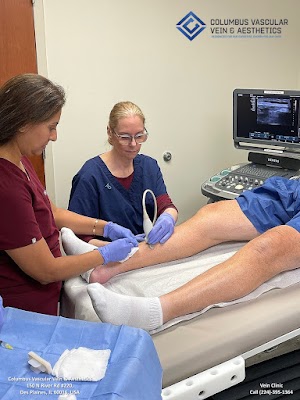
A handheld exam tells a piece of the story. Ultrasound tells the rest. A duplex ultrasound maps flow direction, identifies reflux, and rules out deep vein thrombosis. Good sonographers test veins with position changes, breathing maneuvers, and gentle compression to catch hidden problems. In experienced hands, these screenings are accurate for detecting reflux in the great and small saphenous systems, perforator veins, and common deep occlusions.
Early signals people often ignore
If vein disease were loud in the beginning, more people would seek care sooner. In reality, the first phase is easy to dismiss as getting older, or as a long day’s penalty. The pattern is the clue, not one isolated bad afternoon. Watch for consistency over weeks.
Here is a simple checkpoint I share in the exam room:
- Leg heaviness, aching, or throbbing that worsens late in the day and eases by morning Ankle or lower calf swelling that is minimal at wake-up and noticeable after work Itching or a rash around the inner ankle or lower calf, especially on dry winter skin Night cramps or restless legs that wake you, particularly after days of sitting or standing Clusters of new spider veins or a few veins that suddenly darken or bulge
Each of these can have other causes. Together, with a family history or prior pregnancy, they often point to venous reflux. The earlier we confirm it, the more options you have and the smaller the footprint of treatment.
What untreated vein disease does, step by step
Vein disease unfolds in a progression. It is not linear for everyone, but the trend is predictable. First, symptoms without obvious changes. Then visible veins. Then skin shifts. Finally, complications.
It starts at skin level. Why do varicose veins itch? Chronically high pressure leaks fluid and proteins into the tissue. The skin responds with inflammation and dryness, called stasis dermatitis. Sweat, heat, and winter air make it angrier. Scratching offers seconds of relief and a day of regret because the skin in this area is already fragile. In clinic, we treat the itch two ways: calm the skin with fragrance-free emollients or brief topical steroids for flares, and lower the venous pressure with targeted interventions and compression. Treating only the skin is like bailing water with the faucet running.
Color tells the story of chronicity. What causes veins to darken in color or the skin to turn brown near the ankle? Repeated leakage of red blood cells breaks down hemoglobin into iron pigments that stain the skin, a process called hemosiderin deposition. Think of it as the footprint of years of pooling. As the process continues, the fat under the skin hardens, a condition called lipodermatosclerosis. The lower leg narrows and becomes tender to touch, like a tight sleeve under the skin. Left alone, the next step is ulceration, usually just above the inner ankle. These venous ulcers are shallow but stubborn, kept open by constant fluid seepage and poor oxygen delivery.
Why do some veins hurt while others do not? Pain depends on the nerve density around the vein, the degree of inflammation, and how stretched the vein wall becomes. A corkscrew varicose on the shin may be painless but ugly. A straighter segment along the calf may ache with every warm shower. Heat dilates veins. This is why veins bulge more in summer heat and why patients report worse symptoms after hot yoga or a long day in July.
Night cramps tie back to the calf muscle’s pump function. When valves fail, the pump does extra work to push blood past leaky gates. The muscle fatigues and misfires during rest. Can vein clinics help with leg cramps at night? Yes, when cramps are part of a venous pattern. We correct reflux, add light compression during the day, and coach on hydration and magnesium when appropriate. Cramps driven by electrolyte issues or nerve compression need a different approach, which is why a careful history matters.
Ankle swelling is another pivot point. Can vein clinics treat ankle swelling effectively? When swelling stems from venous hypertension, results can be excellent. We see ankles reappear after ablation of a refluxing saphenous vein. If swelling persists despite treatment, we look for lymphatic involvement or cardiac, renal, or medication causes. The venous and lymphatic systems are intertwined. Chronic venous pressure overloads the lymphatics, which are responsible for clearing protein-rich fluid. Over time, they tire. That is one reason ignored vein disease can progress to a mix of venous and lymphatic edema that is harder to reverse.
Complications that change the stakes
Most people worry about clots, and they are right to. The connection between vein disease and blood clots is real but nuanced. Superficial thrombophlebitis is common in varicose veins. It causes a firm, red, tender cord under the skin. On its own, it is rarely life threatening, but the inflammation is painful and can extend. If the clot approaches a junction with the deep system, risk rises and we treat more aggressively.
Deep vein thrombosis is the dangerous cousin. It can follow long travel, surgery, injury, or appear with a background of reflux and immobility. Does sitting too long cause vein disease? Prolonged sitting does not cause valve failure by itself, but it slows calf pumping, raises venous pressure, and contributes to clot risk. The same is true for standing all day. Can standing all day damage your veins permanently? Chronic standing is a strong risk factor for developing varicose veins and worsening reflux in those predisposed. I see this pattern in teachers, retail workers, hairstylists, and healthcare workers who chart at a station between long patient blocks.
Bleeding from a surface varicose vein is another underappreciated danger. A thin, stretched vein near the ankle can tear with a nick during shaving or from a minor bump. Because venous pressure is high, bleeding can be brisk. Elevation and direct pressure control most episodes, but the underlying varicosity still needs definitive treatment to prevent a repeat.
Skin infection loves disrupted barriers. Scratching stasis dermatitis or managing a weeping ulcer with improvised dressings invites bacteria. What starts as a red patch becomes cellulitis that sends you to urgent care. Recurrent infections further damage lymphatic channels. This is how a small cosmetic issue becomes a cycle of swelling, skin fragility, and infection that derails work and sleep.
Untreated reflux also steals energy. Patients rarely expect this. When circulation efficiency drops, the body compensates with higher heart output during activity and more fluid in the legs at rest. People tell me they avoid evening walks because their legs feel like sandbags. Can vein treatments improve energy levels? In patients whose fatigue is venous in origin, yes. When not treated, that daily low gear becomes the new normal.
Triggers and life patterns that pour fuel on the fire
Summer heat, dehydration, hormones, and footwear can take a manageable situation and tip it over. Why do veins bulge more in summer heat? Heat relaxes the smooth muscle in vessel walls, widening them and worsening reflux. Dehydration thickens blood, reduces plasma volume, and makes legs feel heavier. How dehydration affects vein health and treatment results is simple: dehydrated tissue is less forgiving, cramps are more likely, and post procedure recovery is less comfortable. I ask patients to focus on hydration for at least 48 hours before and a week after treatment. How hydration impacts recovery after vein treatment is tangible. People report less tenderness and fewer cramps when they hit their fluids consistently.
Hormones change the equation. Pregnancy increases blood volume, relaxes vein walls, and compresses pelvic return. How pregnancy changes your veins long term depends on genetics and the number of pregnancies. Many women see new varicose veins after baby one and a stepwise worsening after baby two or three. Does menopause increase risk of vein disease? Estrogen and progesterone shifts alter vein wall integrity, and weight gain around midlife adds load. Combine that with years of work habits and you have the perfect setup for reflux to become symptomatic.
What about athletes? Why athletes develop spider veins surprises people. Repeated high pressure in the calf during intense training, coupled with heat and dehydration, can exaggerate superficial veins. Can weight lifting worsen varicose veins? Heavy lifting with breath holding spikes venous pressure. Technique adjustments and exhale timing help. How running impacts vein pressure in legs is complex. Moderate running supports calf pump strength and overall vein health. Overtraining without recovery, especially on hot days, aggravates symptoms. Can cycling help improve vein circulation? Yes, the rhythmic calf engagement and non weight bearing motion aid return without the pounding of running.
Desk jobs have their own risks. Vein health risks for desk workers show up as end of day swelling and cramps. Crossing legs, tight waistbands, and static calves all hurt. Can tight clothing restrict vein circulation? Around the waist and groin, yes. High compression on a superficial varicose on the calf may make it ache more by trapping blood below the band. How footwear impacts vein health is not trivial. Do high heels contribute to vein disease? High heels keep the ankle in plantar flexion, reducing calf pump efficiency. A lower heel or supportive sneaker allows a fuller stride and better venous return.
Weight is a multiplier. How obesity affects vein treatment success is about access and pressure. Higher BMI makes ultrasound mapping tougher and adds baseline venous pressure. Results can still be good, but the plan must be tailored. Why rapid weight loss can affect veins is different. As fat volume drops quickly, existing varicose veins and skin laxity become more pronounced. The veins were there, now they are simply more visible.
Travel is a perfect storm. How travel affects vein health and swelling links immobility, cabin pressure, and dehydration. Can flying worsen varicose veins permanently? One flight will not create permanent damage, but multiple long-hauls without movement or hydration can trigger superficial clots or exacerbate swelling. Vein clinic tips for frequent travelers are practical: aisle seats to stand often, calf raises at your seat, 15 to 20 mm Hg knee-high compression, and water over alcohol. Does caffeine affect vein circulation? Mild diuresis and transient vasoconstriction matter less than the net hydration status. Coffee is fine if you balance it with water.

Smoking damages your veins by injuring the endothelium, promoting inflammation, and impairing small vessel function. Combine smoking with reflux and you have a higher risk of skin breakdown and slower healing after procedures.
Diet is not a miracle cure, but it matters. How diet influences vein strength and elasticity relates to collagen support, anti inflammatory foods, and weight control. The best foods for vein health recommended by clinics usually include colorful vegetables, citrus for vitamin C, lean proteins, and adequate fiber to avoid straining. Can supplements improve vein treatment outcomes? Some, like micronized purified flavonoid fraction or horse chestnut, can reduce symptoms in the short term. They do not correct reflux. Use them as adjuncts, not substitutes, and discuss with a clinician to avoid interactions.
When cosmetic becomes medical
Spider veins on the thighs can be purely cosmetic. When you also have ankle swelling, itchy patches near the inner ankle, or veins that darken and ache along the calf, it is time to treat the system, not only the surface. When cosmetic veins become a medical issue has less to do with appearance and more to do with function. A few straightforward criteria help. If symptoms limit your activity, if skin is changing color or texture near the ankle, or if you have a history of a clot, get evaluated. Addressing reflux upstream makes surface treatments last longer and prevents the frustrating cycle of veins reappearing after treatment.
Why veins reappear after treatment is usually one of three things: untreated reflux in a feeder vein, new reflux that developed later, or recanalization of a treated segment. How to prevent recurrence after vein procedures involves follow up ultrasound, adherence to post procedure instructions, and long term maintenance like walking daily, managing weight, and using compression with long travel or prolonged standing. Vein clinic long term maintenance strategies are not glamorous, but they work.
What diagnosis adds that self observation cannot
A proper vein consultation is not just a quick look at your legs. What happens during a vein consultation visit typically includes a targeted history, risk review, physical exam in standing and supine positions, and duplex ultrasound with reflux mapping. The importance of ultrasound in vein diagnosis cannot be overstated. It shows what your eye cannot: how blood moves through the system, where it falls back, and how perforator veins connect deep to superficial. How accurate are vein clinic screenings depends on training and protocols. Ask whether the sonographer is registered in vascular technology and how the clinic validates results. A trustworthy clinic welcomes those questions.
We explain what vein reflux is and why it matters in simple terms. Blood should flow up. With reflux, it also flows down when it should not. That backward flow is the driver of pressure, symptoms, and skin changes. Understanding that makes the plan logical rather than mysterious.
The cost of waiting, measured in everyday terms
The true cost of untreated vein disease is not just the risk of a clot or an ulcer. It is the slow erosion of daily choices. People skip evening walks because of leg fatigue. They avoid shorts due to the psychological impact of visible vein conditions and the comments they attract. They sleep poorly from cramps or itching. They reach for over the counter creams that do not address the root cause. Over months, the circle tightens.
Can vein disease affect heart health? Not directly, in the way a blocked coronary artery would. The system is connected, though. Persistent inflammation from pooled blood, reduced movement because of discomfort, and weight gain from activity avoidance all feed cardiovascular risk. Treating the veins can enable the return to habits that protect the heart.
Compression, movement, and what helps while you decide
Do compression socks really prevent vein disease? They do not prevent reflux from starting in genetically susceptible valves. They reduce symptoms, slow swelling, and protect skin. I recommend graduated knee-high compression for shifts that involve long standing, for travel days, and in the weeks after procedures. Fit matters more than brand.
Does walking daily prevent vein issues? Walking will not rewrite your genetics, but it powers the calf pump and lowers venous pressure with each step. Thirty minutes, broken into chunks if needed, is better than a single long walk once a week. How running and cycling fit depends on your symptoms. Both can help, as long as you manage heat and hydration.

How to sleep after vein treatment for better results is straightforward. Elevate the legs slightly, avoid heavy blankets that press on tender areas, and wear light compression if advised. The best sleeping positions for vein health, even without treatment, are on your back with a small pillow under the calves or on your side with legs aligned, not curled tightly.
When to seek help urgently
Most of vein care is planned, not emergent. A few red flags deserve same day attention. Keep this short list handy:
- Sudden one sided leg swelling, warmth, and pain, especially after travel or immobilization A firm, red, tender cord along a vein that is expanding toward the groin Uncontrolled bleeding from a surface vein that does not stop with 10 minutes of pressure and elevation New shortness of breath, chest pain, or coughing blood after leg pain or swelling Rapidly worsening redness, fever, or drainage from a leg ulcer
If any of these occur, go to urgent care or the emergency department and tell them your vein history. Quick evaluation can be lifesaving.
Why some treatments fail and how to avoid it
I see two common patterns when outcomes disappoint. First, treating the surface without addressing reflux. Sclerotherapy on spider veins will look great for a few months, then the network refills if a feeder vein is still blowing pressure into the area. Second, skipping follow up. Why follow up visits are critical for vein care is simple. We verify vein closure, check for early clots, and adjust the plan. A five minute ultrasound can save months of frustration.
Common mistakes after vein treatment procedures include returning to heavy lifting too soon, ignoring hydration, or sitting all day right after ablation. A short walk every hour supports flow and reduces tenderness. Does caffeine affect vein circulation during recovery? One coffee is fine. Balance it with water. Alcohol the first night can worsen swelling, especially in hot weather.
How clinics personalize vein treatment plans matters more than the device used. Laser vs injection treatments for veins each have roles. Thermal ablation for large refluxing trunks, adhesives or mechanochemical for tortuous segments, sclerotherapy for surface webs. The latest innovations in vein treatment techniques help, but matching the method to your anatomy, job, and goals is what delivers durable results. How clinics handle complex vein cases, like post thrombotic syndrome or recurrent disease after prior stripping, separates the competent from the expert. Ask how they approach perforator disease, pelvic contributors, and lymphedema overlap.
Choosing the right team and setting the right expectations
What makes a vein clinic trustworthy is not a glossy lobby. Look for board certification in vascular, interventional radiology, or vascular surgery, on site accredited ultrasound, and transparent discussion of risks and alternatives. How to evaluate vein clinic credentials can be as simple as checking professional society memberships, reading a few detailed patient reviews that mention follow up care, and asking how many procedures the practice performs weekly.
What first time patients get wrong about vein clinics is thinking it is all cosmetic. Medical evaluation underpins good cosmetic results. Why customized treatment matters for vein health is that your pattern of reflux, job demands, and recovery window are unique. How clinics manage patient expectations includes setting realistic timelines for vein treatment results. Bruising fades over 2 to 4 weeks. Swelling and tenderness improve over 1 to 3 Des Plaines, IL vein clinic weeks. Skin texture changes take months to remodel. How soon you see results depends on the issue. Aching and heaviness often lift within days after trunk ablation. Spider veins lightened by sclerotherapy look worse for 2 weeks before they look better. How multiple treatments improve final outcomes is by layering: clear the feeder, then tidy the surface, with reassessment in between.
How long vein procedures actually take is shorter than most expect. An endovenous ablation is usually 30 to 60 minutes. Sclerotherapy, 15 to 30 minutes. Most people return to work the next day. How to return to work after vein procedures comes down to avoiding prolonged sitting or standing without breaks in the first week and wearing compression if recommended. Exercise guidelines after vein treatment encourage walking immediately, light cardio at 48 hours, and postponing heavy leg days or hot yoga for about a week.
The bottom line: ignoring veins comes with a bill
Left untreated, vein disease tends to worsen. Symptoms deepen, skin degrades, and complications become more likely. The path is slow enough to normalize, which is the trap. If you recognize the early signs, act while the problem is still small. Good evaluation is noninvasive. Modern treatments are office based, quick, and targeted. The payoff is not just nicer looking legs. It is better circulation efficiency, fewer end of day compromises, and protection against ulcers, infection, and clots.
You do not need to overhaul your life overnight to make progress. Start with water on your desk, a pair of well fitted compression socks for long days, and a five minute walk every hour you would otherwise sit or stand still. If you teach, serve, cut hair, chart, or lift for a living, give your calves a chance to pump. If you are pregnant or planning to be, ask your clinician about timing for evaluation. If menopause has ushered in new veins or ankle itch, do not dismiss it. Cosmetic concerns are valid, but treating the system rewards you in ways the mirror cannot show.
Vein disease will take the inches you give it. Attention, early and informed, keeps it from taking miles.